


A steaming bowl of sliced mackerel, vibrant green mustard greens, and fried shallots swimming in a crystal-clear, intensely savory broth defines the classic comfort food known as sop ikan batam foodcourt. Unlike heavier coconut-based curries or oily regional soups, this island specialty relies on fish bones simmered for hours, sour plum, and fresh ginger to create a clean, metabolism-boosting potion that instantly revives weary travelers and late-night workers alike.

Generally, seasoned culinary explorers will tell you that the most memorable bowls on Indonesia’s border island aren’t found in five-star hotel dining rooms, but under the glowing fluorescent lights of bustling open-air food complexes. Did you know that the secret behind that addictive, clean broth isn’t hidden in expensive imported ingredients, but in the exact timing of when the fried salted fish and green tomatoes are dropped into the pot? My own obsession started during a midnight food crawl through Nagoya Hill, when a steaming ceramic bowl of fish soup completely cured a stubborn head cold and rewrote my understanding of comfort food.
Sop Ikan Batam Foodcourt: Definition, Characteristics, and Why It Heals the Soul
When food enthusiasts talk about a genuine sop ikan batam foodcourt experience, they are referring to a very specific culinary genre centered on absolute freshness and medicinal simplicity. The broth remains translucent because chefs clarify the fish stock meticulously, avoiding heavy oils or cloudy dairy additions. Sliced Tenggiri (Spanish mackerel) or Batam’s local snapper provides lean protein, while sour plum (asam kiamboy) introduces a subtle tang that balances the rich umami of the fish bones.
Additional Information
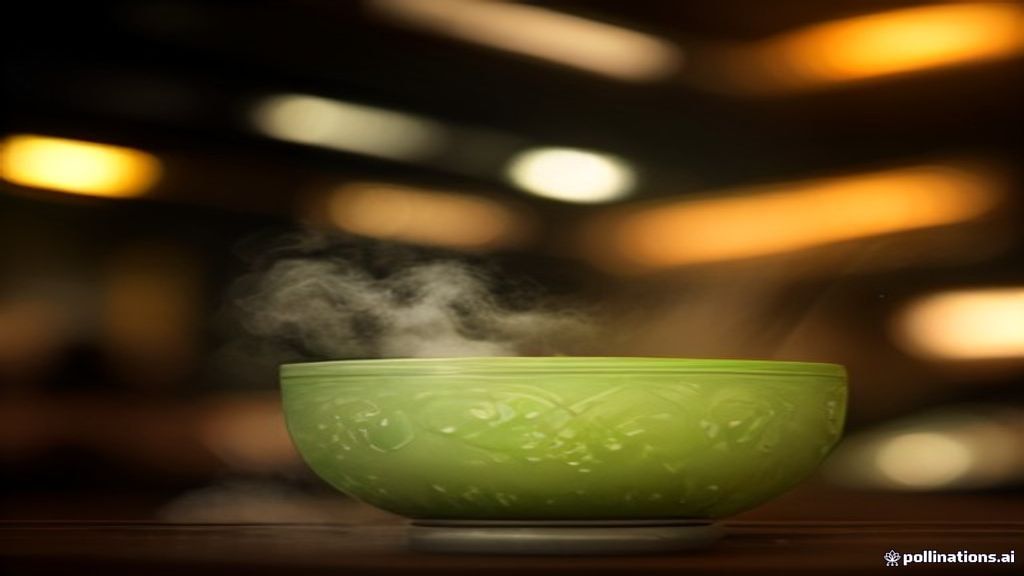
This matters because modern diners increasingly crave food that feels restorative rather than burdensome. Heavy, grease-laden meals often leave you sluggish during a busy workday, whereas a clean seafood broth provides sustained energy without the afternoon crash. When I consult with culinary entrepreneurs through the Batam Business Community, I always point out that comfort food with health appeal enjoys the highest repeat customer rates.
Imagine stumbling into a packed foodcourt after stepping off a late ferry from Singapore, feeling chilled by the air conditioning and exhausted from travel. A local hawker hands you a bowl where the ginger warms your chest instantly, the sour plum cuts through your fatigue, and the tender fish melts on your tongue. It is a sensory reset button that no fancy restaurant plating can replicate.
The Search for Authentic Broth: Why Foodcourt Stalls Often Beat Fancy Restaurants
The magic of a great sop ikan batam foodcourt stall lies in decades of muscle memory and high-volume turnover. Fancy dining establishments often overcomplicate stocks by adding complex French techniques or heavy herbs that mask the delicate sweetness of fresh sea fish. Foodcourt hawkers, conversely, boil massive pots of fish carcasses from dawn, adding root aromatics and preserved salted vegetables that yield a deeply layered, honest broth.
You need to understand this dynamic because scale and daily ingredient rotation dictate flavor quality in local seafood preparation. Stalls that serve hundreds of bowls daily never let ingredients sit long enough to lose their natural oceanic sweetness. For anyone looking to replicate this efficiency in a commercial kitchen setup, testing recipes using AI workflow tools like CustomGPT can help organize traditional hawker formulas into standardized operating procedures.
Think about a humble corner stall in Bengkong where the elderly owner has manned the same giant aluminum pot for twenty years. She doesn’t use measuring spoons; she tastes the broth every hour, adjusting the ginger-to-salt ratio by intuition honed through thousands of bowls. That level of hands-on mastery is precisely why corporate restaurant chains struggle to copy the soulful depth of a neighborhood foodcourt legend.
How to Mix the Ultimate Condiments: Calamansi, Bird’s Eye Chili, and Soy Sauce That Actually Works
Getting your bowl from a proper sop ikan batam foodcourt stall is only half the battle. What you do at the condiment station determines whether the dish sings or falls flat. Most diners make the rookie mistake of dumping everything in at once. You end up with a murky, overly spicy bowl that kills the subtle ginger notes of the soup.
Mastering this requires respecting the baseline flavor first. Take a clean sip of the hot, clear broth before touching any seasoning. When I first watched a veteran hawker mix his bowl, he treated the saucer like an artist’s palette. He kept the sliced chili padi separate from the dark soy sauce rather than drowning the fish meat immediately.
Here is the field-tested method I use every single time:
- Pour a small pool of dark sweet soy sauce into your dipping saucer.
- Slice fresh bird’s eye chilies directly into the soy sauce, adding a squeeze of fresh calamansi lime juice to cut the sweetness.
- Keep the broth pure by adding just a tiny squeeze of calamansi and a pinch of white pepper directly to the soup bowl if you prefer an extra tang.
- Dip the tender fish slices individually into your custom soy-chili sauce instead of pouring it everywhere.
This dipping technique preserves the integrity of the hot broth until the very last drop. You experience the clean, oceanic flavor of mackerel or snakehead fish without chemical-tasting heat.
Common Mistakes When Racik Sop Ikan and How to Avoid Them
Even seasoned food lovers sometimes ruin a brilliant bowl of sop ikan batam foodcourt fare through careless preparation. The most common error involves over-saturating the soup with fried shallots or preserved mustard greens. While these toppings add great aroma, too much of them turns a delicate seafood broth into a heavy, oily mess.
Another trap is letting the sliced fish sit too long in the piping hot soup before eating. Snakehead fish or snapper cooks instantly in the boiling broth. If you leave the meat submerged while chatting with friends, the delicate proteins tighten up and turn rubbery. In my experience, you should fish out the seafood pieces early or eat them while they still retain that velvety, melt-in-your-mouth texture.
Temperature management matters just as much as ingredient ratios. If your soup arrives lukewarm, the rendered fish oils can taste slightly muddy. A truly great hawker serves their dish blistering hot, which activates the white pepper and ginger aromatics properly.
Practical Secrets Shared by Legendary Batam Foodcourt Hawkers
Running a successful stall in a busy commercial complex requires razor-sharp discipline behind the scenes. Veteran hawkers often share kitchen tips over late-night coffee that you will never find in printed cookbooks. They emphasize that the secret to crystal-clear broth isn’t expensive filters; it is relentless skimming during the first thirty minutes of boiling.
Consistency separates a mediocre stall from a legendary lunch spot. According to local culinary associations, high-performing foodcourt vendors prep their aromatics fresh daily at dawn rather than relying on pre-packaged pastes. This dedication guarantees that every single bowl of sop ikan batam foodcourt specialty retains that signature punch of fresh ginger and scallion.
Also Read: UMK Teknologi dan Internet di Batam: Mendorong Inovasi dan Pertumbuhan Ekonomi Digital
For entrepreneurs aiming to scale a local dining brand, standardizing these preparation steps without losing soul is a massive challenge. Modern food businesses often connect with platforms like the Batam Business Community to share operational workflows, supply chain insights, and digital marketing strategies. If you want to discuss culinary enterprise growth or network with local operators, you can chat now with business development guides who understand the regional food trade inside out.
Frequently Asked Questions about Sop Ikan Batam Foodcourt
What kind of fish is traditionally used in authentic Batam fish soup?
Local hawkers generally rely on Spanish mackerel (tenggiri) or snakehead fish (ikan gabus). Both varieties offer firm, white flesh that absorbs ginger and tomato flavors without crumbling easily in hot stock.
Why is the broth naturally sweet without heavy MSG?
The secret lies in simmering massive quantities of fish bones alongside daikon radish, sweet tomatoes, and fried shallots for hours. This natural reduction releases amino acids that create a rich umami profile naturally.
Can I store leftover fish soup for the next day?
Practitioners strongly advise against storing cooked fish soup overnight. Seafood proteins degrade quickly, and the delicate broth loses its clean, refreshing aroma once reheated a second time.
Frequently Asked Questions about Sop Ikan Batam Foodcourt
What makes a bowl of sop ikan batam foodcourt different from regular Indonesian fish soup?
Authentic Batam-style fish soup relies on a crystal-clear, incredibly light broth made from simmering fish bones, salted vegetables, and green tomatoes, rather than heavy yellow turmeric spices found in Soto. The fish is almost always added raw to the hot bowl just before serving so the boiling broth cooks it instantly, keeping the texture exceptionally tender.
How do you mix the condiments for sop ikan batam foodcourt to get the best flavor?
Start by pouring your chili padi and soy sauce mixture onto a small separate saucer rather than dumping it straight into the main bowl. Dip your fish chunks into this savory-spicy paste before eating, then add a squeeze of calamansi lime directly into the soup only after tasting the pure broth first.
Is spanish mackerel better than snakehead fish for making this soup?
Both fish work wonderfully, but Spanish mackerel offers a richer natural oil content that gives the broth a slightly deeper flavor. Snakehead fish, locally known as ikan gabus, has a cleaner, leaner taste and a firmer bite that holds up remarkably well if you prefer a completely non-greasy soup.
Why is the broth at my local foodcourt stall sometimes cloudy instead of clear?
Cloudy broth usually happens when the fish bones are boiled at too high of a rolling boil, which emulsifies the fats and proteins into the liquid. Legendary hawkers keep their stock simmering at a very gentle, barely perceptible bubble to maintain that signature crystal-clear appearance.
Can I recreate authentic sop ikan batam foodcourt flavors using frozen fish fillets?
You can use frozen fillets in a pinch, but the texture and aroma will never quite match fresh catch from the market. Frozen fish tends to release excess water as it thaws, which dilutes the delicate sweetness of the ginger-infused broth.
What is the best time of day to visit a foodcourt for the freshest fish soup?
Experienced culinary hunters usually arrive either right when the stall opens for lunch or during the early dinner rush around sunset. Stalls typically prepare a fresh batch of stock for each major meal service, meaning you get the most aromatic broth before it sits simmering for too long.
If you are looking to scale a regional dining concept or connect with fellow culinary entrepreneurs, collaborating with industry peers makes all the difference. Contact Batam Business Community via WhatsApp for more information. Visit Batam Business Community for similar services.
Common Mistakes to Avoid
Cooking or hunting for the ultimate bowl of sop ikan batam foodcourt looks simple enough on paper. Yet, even seasoned food lovers often stumble on a few hidden pitfalls that ruin the entire dining experience. Let’s look at what usually goes wrong and how to fix it.
- Mistake: Dumping all the bird’s eye chilies and soy sauce directly into the main bowl.
Why it’s wrong: This instantly overpowers the delicate, ginger-and-fish-bone-infused broth that took hours to simmer.
What to do instead: Always mix your dipping sauce in a separate small saucer. Dip the fish pieces into the sauce, leaving the soup clean and sweet.
- Mistake: Letting the sliced green tomatoes and fried shallots sit too long in the soup.
Why it’s wrong: The tomatoes turn mushy and sour, while the crispy shallots lose their crunch and make the broth oily.
What to do instead: Eat the fish and sip the broth while the toppings retain their distinct textures. If you love extra crunch, ask for a side plate of fresh fried shallots.
- Mistake: Choosing a stall purely based on long queues without checking the turnover rate.
Why it’s wrong: Sometimes a massive crowd just means the stall is slow, leading to overcooked fish that turns rubbery by the time it reaches your table.
What to do instead: Observe how fast the tables clear and whether the vendor fillets fresh fish right in front of the customers.
Advanced Tips From Practitioners
Mastering a regional dish goes beyond just following a basic recipe or picking a random stall. Culinary entrepreneurs and local food researchers often look at the microscopic details that separate an average bowl of sop ikan batam foodcourt from a legendary one. If you want to take your appreciation or your culinary venture to the next level, pay attention to the bone-to-water ratio.
Most home cooks use too much water, which turns the stock thin and watery. Authentic stalls use a high ratio of mackerel or snapper carcasses, simmered gently for hours with bruised ginger and root vegetables without ever letting it reach a rolling boil. A rolling boil releases impurities that cloud the broth, muddying that crystal-clear appearance you crave.
Are you looking to scale a regional dining concept or connect with fellow culinary entrepreneurs? Collaborating with industry peers makes all the difference when sourcing authentic ingredients or refining a soup recipe. You can chat now via WhatsApp to learn more about networking opportunities. Visit Batam Business Community for similar services and to grow your culinary network today.
References & Sources
Watch the Related Video
Do Not Miss! Watch the Video Above and Learn More.
Click Here for More Information

A Blogger, Writer, and Digital Marketing Specialist dedicated to helping local SMEs (Small and Medium Enterprises) grow and promote their businesses across Indonesia, Singapore, and Malaysia.
Author: Armein Hutagaol
A Blogger, Writer, and Digital Marketing Specialist dedicated to helping local SMEs (Small and Medium Enterprises) grow and promote their businesses across Indonesia, Singapore, and Malaysia.


